Youth-Led Responses To Substance Abuse in High-Risk Counties

Reading Time: 3min
Youth leaders link music culture, unemployment to rising drug abuse and mental health strain
Youth leaders from Nairobi, Kilifi, Nakuru and Kisumu counties have warned that music culture, economic exclusion and unregulated access to substances are fuelling drug and alcohol abuse among young people, with serious consequences for mental health.
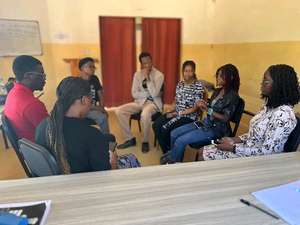
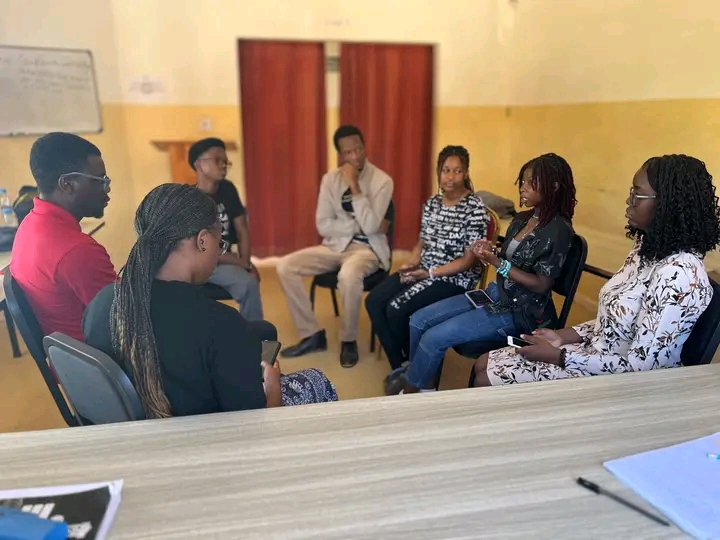
The concerns emerged during a closed-door dialogue held over the weekend between Gen Z youth representatives and officials from MindTheMap, a Nairobi-based mental health advocacy and data initiative. Eight youth leaders drew on lived experience from their counties, describing a pattern in which substance use is increasingly intertwined with anxiety, depression, school dropout and social withdrawal.
According to the 2022 National Survey on the Status of Drugs and Substance Use in Kenya by the National Authority for the Campaign Against Alcohol and Drug Abuse (NACADA), one in every seven Kenyans aged 25–35 consumes alcohol, with tobacco, khat and cannabis also widely used. Youth leaders said the data understates the scale of exposure among adolescents, many of whom encounter drugs and alcohol well before adulthood.
Music, imitation and social pressure
Several participants said popular music and online content were shaping attitudes towards substance use by presenting intoxication as fashionable, aspirational and harmless.
“When songs paint intoxication as cool or as a marker of success, young people internalise that message,” said Brian Otieno, a youth leader from Kisumu County. “It becomes less about curiosity and more about fitting in.”
Faith Wanjiru, a youth mental health advocate from Nakuru County, said early exposure often occurs without any parallel conversation about psychological harm.
“The lyrics make it sound carefree,” she said. “They never talk about panic attacks, depressive episodes or the isolation that comes later.”
In Nairobi County, youth leaders pointed to easy access to alcohol, shisha and prescription drugs in informal settlements, alongside high unemployment and cost-of-living pressures.
“For many young people, substances become a coping mechanism,” said Kevin Mwangi, a Nairobi-based youth organiser. “But instead of relief, it compounds stress and worsens mental wellbeing.”
County-specific drivers
While the drivers varied by location, participants said the outcome was strikingly similar across counties.
In Kilifi County, poverty, idle youth and a vibrant party culture were identified as key risk factors. Zainab Omar, a youth representative from the coastal county, said substance use often begins as recreation before sliding into dependency.
“Young people are trying to escape economic pressure,” she said. “What starts as entertainment quickly becomes a trap.”
In Kisumu, leaders cited the availability of drugs along transport corridors and lakeside settlements, while in Nakuru there was concern about rising alcohol use among secondary school students. In Nairobi, youth leaders said unregulated outlets and weak enforcement had normalised access for underage users.
MindTheMap officials said the session was deliberately structured to prioritise lived experience over top-down assumptions.
“Youth voices are central to designing mental health responses that actually work,” said Isaac Kamau, Impact Measurement Manager at MindTheMap. “These insights help us understand how local contexts shape both risk and resilience.”
Regional exchange with Rwanda
As part of its youth engagement programme, MindTheMap announced it would sponsor an exchange visit to Rwanda for the eight youth leaders who participated in the dialogue. The visit will bring together Kenyan and Rwandan youth advocates to share perspectives, tools and community-based strategies on substance abuse prevention and mental health awareness.
“We want young leaders to learn from regional best practices and return with ideas that can be adapted at county level,” said Lilian Chebet, Advocacy Campaign Manager at MindTheMap.
Participants welcomed the initiative, saying cross-border learning could strengthen peer-led advocacy and prevention efforts.
“This gives us a chance to bring back practical ideas that speak to our realities,” Mr Otieno said. “Young people listen to other young people.”
Calls for action
Youth leaders called for tighter regulation of alcohol advertising, more responsible messaging by musicians and influencers, and the expansion of mental health education in schools and community spaces. They warned that without addressing the psychological consequences of substance use, the crisis would continue to deepen.
MindTheMap said findings from the session will inform ongoing county-level mental health programmes, with youth leaders expected to spearhead community dialogues and peer education initiatives in their respective counties.