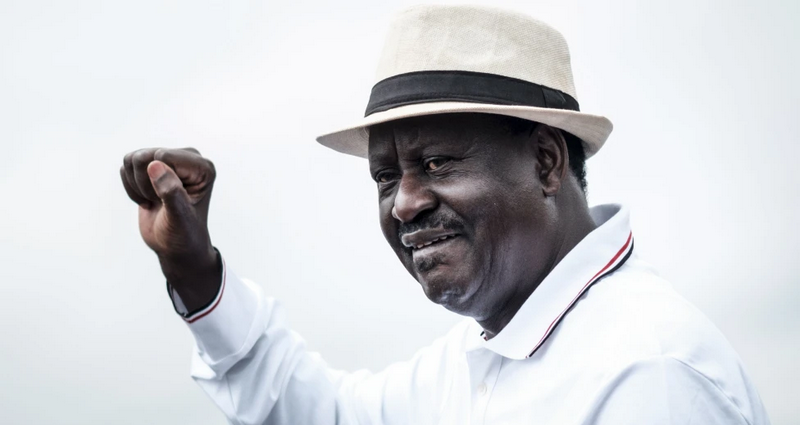
Honoring Raila by Healing Wounds of the Struggle

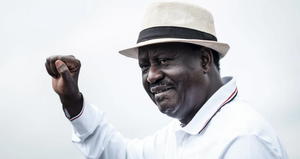
In the wake of Raila Odinga’s passing, the nation rightly remembers “Baba” as a champion of democracy and a symbol of resilience. His legacy is etched into Kenya’s history—from years of detention fighting for multi-party politics to his pivotal role in delivering the 2010 Constitution. As we mourn, we are also called to reflect on how best to honor such a monumental life. Perhaps the truest tribute is not only in recalling his battles, but in completing the work of healing for those who suffered in the long struggle for a more just Kenya. To honor Raila Odinga is to ensure mental wellbeing and access to psychiatric care for the families of his supporters who endured police violence.
The Scars That Remain
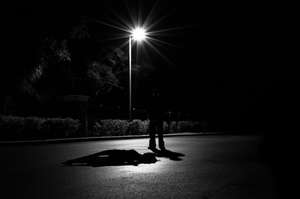
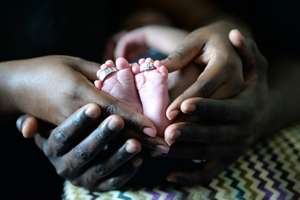
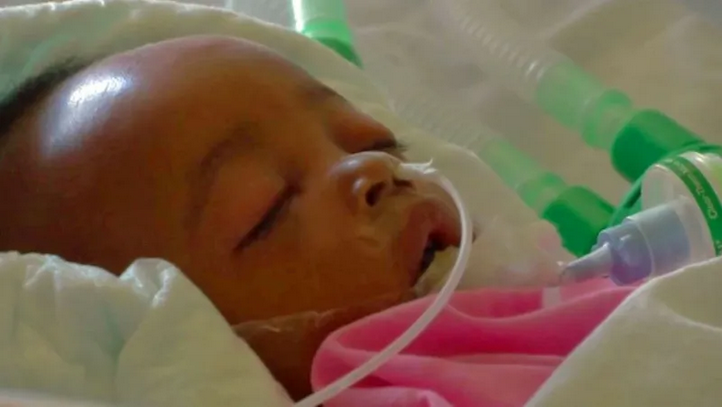
For decades, the fight for political change has carried a heavy human cost. Among the most heartbreaking symbols of that cost is Baby Samantha Pendo. During post-election protests in Kisumu in 2017, the six-month-old was fatally struck on the head by police officers deployed to quell demonstrations. Her death, three days after admission to intensive care, became a national outrage and a stark reminder of the brutality inflicted on civilians.
Baby Pendo was not an isolated case. Human rights groups documented that police operations linked to her death led to the deaths, injuries, and even rape of no fewer than 60 people in Kisumu County alone. Organizations like Missing Voices report over 700 killings and serious injuries from police violence since 2007. Families of these victims are left to grieve largely on their own, without mental health support, navigating trauma in silence—a hidden and enduring legacy of political turmoil.
A Legacy of Principle and Pragmatism
Linking healing to Raila’s legacy is therefore profoundly fitting. His political journey was defined by a commitment to justice and accountability. He knew the cost of state violence firsthand, having been detained without trial for six years, allegedly subjected to torture. He emerged not with a desire for vengeance, but with a pragmatic commitment to dialogue and peace, demonstrated by the coalition government after 2007 and later, the ‘Handshake’ with former rivals.
Honoring him today means embracing that same spirit: building and healing where trauma lingers. Championing mental wellbeing for the families of political violence victims is not an admission of defeat; it is completing the mission. It ensures that the pursuit of democracy does not leave a trail of broken psyches in its wake.
A Call to Action: From Baba’s Legacy to National Healing
A concrete, lasting tribute would be the establishment of a fund or programme providing psychiatric care and counselling for families of those killed or injured in political violence, beginning with cases like the Pendo family and extending to others. This is not charity—it is justice. It is reparation that allows families to process grief and move forward.
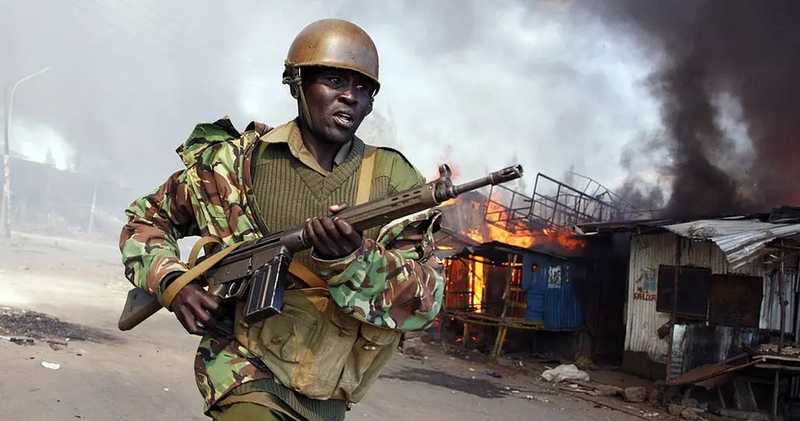
This call also intersects with another urgent issue: the mental health of police officers themselves. The National Police Service has recognized a crisis among its ranks, with the police chief reporting nearly 2,000 officers unfit to serve due to mental health challenges. A culture in which seeking help is stigmatized has contributed to officers using firearms against themselves and the public. Addressing the wellbeing of both victims and officers is essential to breaking this cycle of violence.
Raila Odinga’s life was a testament to the fight for a freer, fairer Kenya. Freedom is not only political or economic—it is also the freedom from trauma inflicted during the struggle for justice. By centering mental health and healing for those who bore the highest costs, we do more than memorialize him; we actively honor his vision for a Kenya that cares for all its people. Ensuring that the flame of democracy he kindled also brings warmth and repair to those left behind would be a legacy truly worthy of Baba.