Shakahola Tragedy: 3 Years Later, Kenya's Search for Healing and Regulatory Reform

Reading Time: 4min
Three years after the Shakahola forest tragedy, where faith turned fatal for over 300 followers, and following the recent discovery of fresh graves in Kwa Binzaro claiming 21 more lives, Kenya continues to wrestle with the dangerous extremes of belief. For Francis Wanje, the whistleblower who first exposed the horrors, the memories remain vividly painful.
A Whistleblower's Harrowing Account
“On 23 March, we entered the forest with a few media personnel,” Wanje recalled, his voice steady but heavy. “I had decided everyone needed to know what was happening in Shakahola.”
Their mission was immediately threatened. “Heavily armed men stopped us. They said they were tired of outsiders and accused us of bringing people into the forest. They warned us not to use our phones or take photos, threatening us with death if we disobeyed.”
After pleading their case, the group was permitted to proceed with their interview. But the danger was far from over.
“After the interview, the men attacked Humphrey, beating him severely on the head. They warned us not to intervene, or we would die in the forest. After the assault, they placed him on a motorcycle and drove him away,” Wanje narrated.
He recalled the profound helplessness of being unable to aid Humphrey, his in-law, who was a follower of pastor Paul Mackenzie. Humphrey had reportedly fled after being ordered to "see Jesus" by starving to death—a practice that began with children, then women, then men.
The Discovery of Atrocities
Undeterred, Wanje continued his search. The breakthrough came on 18th April 2023, when he accompanied police officers into the forest.
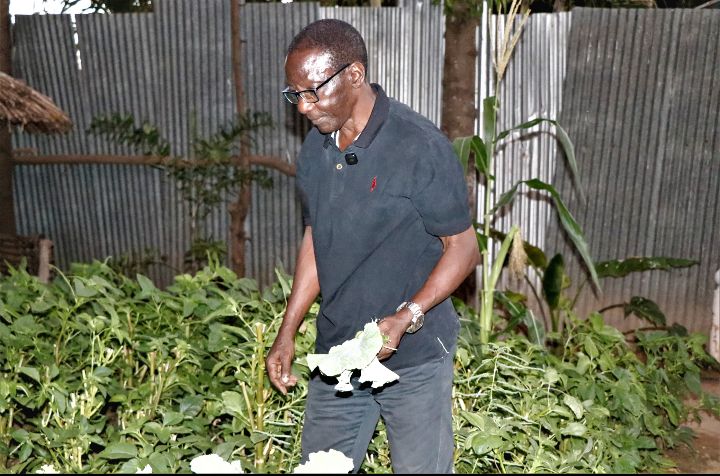
“I entered an old house, an officer pulled the door open, and what I saw I can’t forget,” he explained. “Several bodies of women and men were piled up; they were emaciated and near death. Just nearby, I saw another body lying among thorns.”
“I left everything in the hands of the police and checked into Chiromo Mental Health for two weeks.”
The trauma of the discovery forced Wanje to seek refuge.
The personal toll became devastatingly clear last year. “I received a call from the Directorate of Criminal Investigations in Malindi. They had found four of my family members through DNA: my daughter Emily Kahunda, Seth Ngala, Esther Birya—Emily’s mother-in-law.” The family held a mass burial. Two weeks ago, they buried another relative, Isack, a GSU officer. They now await the identification of three more bodies.
Calls for Accountability and Support
Simon Mwashighadi, Founder of the Voice of the Voiceless organization in Kilifi County, asserts that the government failed to act early enough.
“The government should have helped the Shakahola victims by providing counseling and alternative livelihood projects to help them move on,” Mwashighadi explained.
Echoing the need for sustainable support, Gloria Mbanya, an officer with the Mombasa Community Development Trust, highlighted the role of economic empowerment. She noted that initiatives like the Anglican Church's 5 Talents Organisation have created 117 groups in the region, helping over 2,100 members save money and alleviate poverty.
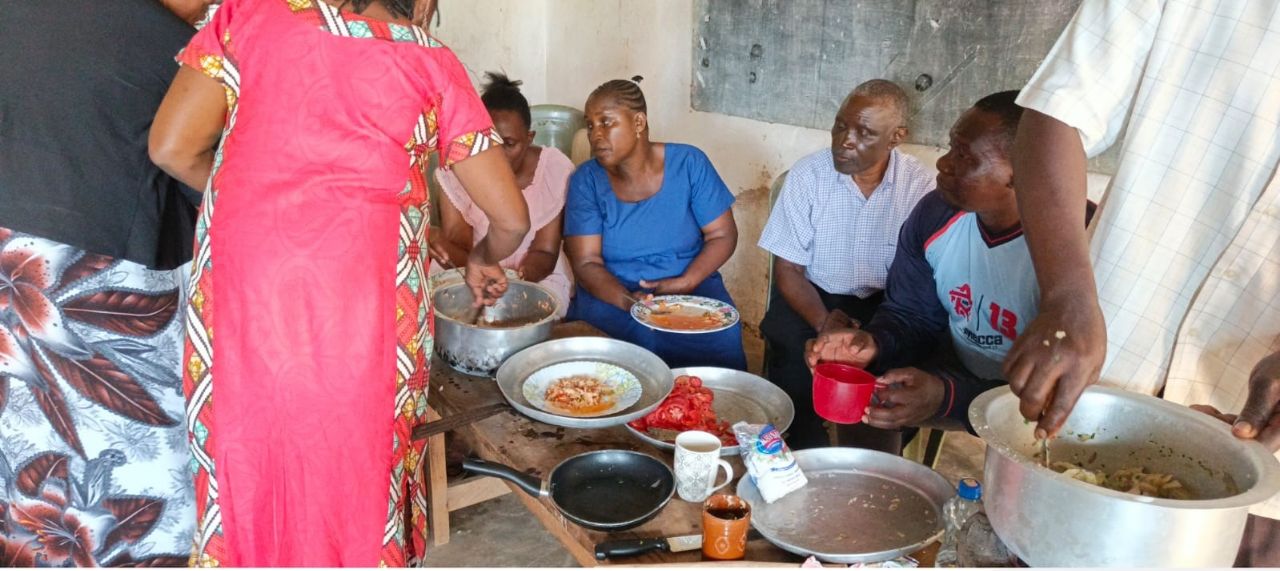
“We mentor the groups in financial literacy and social well-being, empowering them to make independent decisions for their families without negative influence,” Mbanya said.
The National Push to Regulate Churches
The Shakahola tragedy is a stark example of how extreme belief can lead to the rejection of modern medicine. This has accelerated national efforts to regulate the complex landscape of religious organisations and churches.
According to a 2016 Ministry of Health study, many individuals are influenced by religious extremism to completely reject modern medical care in favor of unproven spiritual practices.
Now, Parliament is considering new legislation that would formally integrate traditional and alternative medicine into Kenya's healthcare system. The Kenya Medical Research Institute (KEMRI) Bill, 2025, introduced by Seme MP James Nyikal, seeks to create legal oversight for practices long used by Kenyans but often lacking quality control.
Key provisions of the bill include:
Formal Integration: "The government shall recognize and integrate traditional medicine in a manner that complements the conventional healthcare system."
Research and Regulation: KEMRI will conduct clinical research to verify the effectiveness and safety of traditional treatments.
Safety Measures: The bill outlaws unauthorized ingredients, products without proven health value, and remedies that haven't undergone toxicology testing.
This legislative push is part of a broader health sector transformation, which includes the recent presidential endorsement of the Quality Healthcare and Patient Safety Bill, 2025.
The move is urgent. The World Health Organization (WHO) estimates that over 5,000 Kenyans die annually due to unsafe or unregulated traditional remedies.
As Kenya navigates this integration, it looks to the WHO's global strategy on traditional medicine for 2025-2034, which aims to support member states in implementing safety standards and research.
The journey is complex and mirrors a continental challenge. While countries like Cameroon and Madagascar have successfully integrated traditional medicine into national health systems, others, like Namibia, face hurdles like poor documentation and lack of public trust. Common issues across Africa include the need for robust regulation, safety research, and protecting indigenous knowledge.
Three years on, the search for healing in Shakahola is now inextricably linked to a national quest for regulation, aiming to ensure that belief, in all its forms, never again becomes a catalyst for violence.