Solar Water Storage: Improving seedling survival to eighty percent
We deliver practical, online training adapted to each group or business. Greener energy. Financial literacy. Climate resilience. No generic modules. After training, graduates may access green loans at 8–11% through our partner lenders.
Kibera, Nairobi County
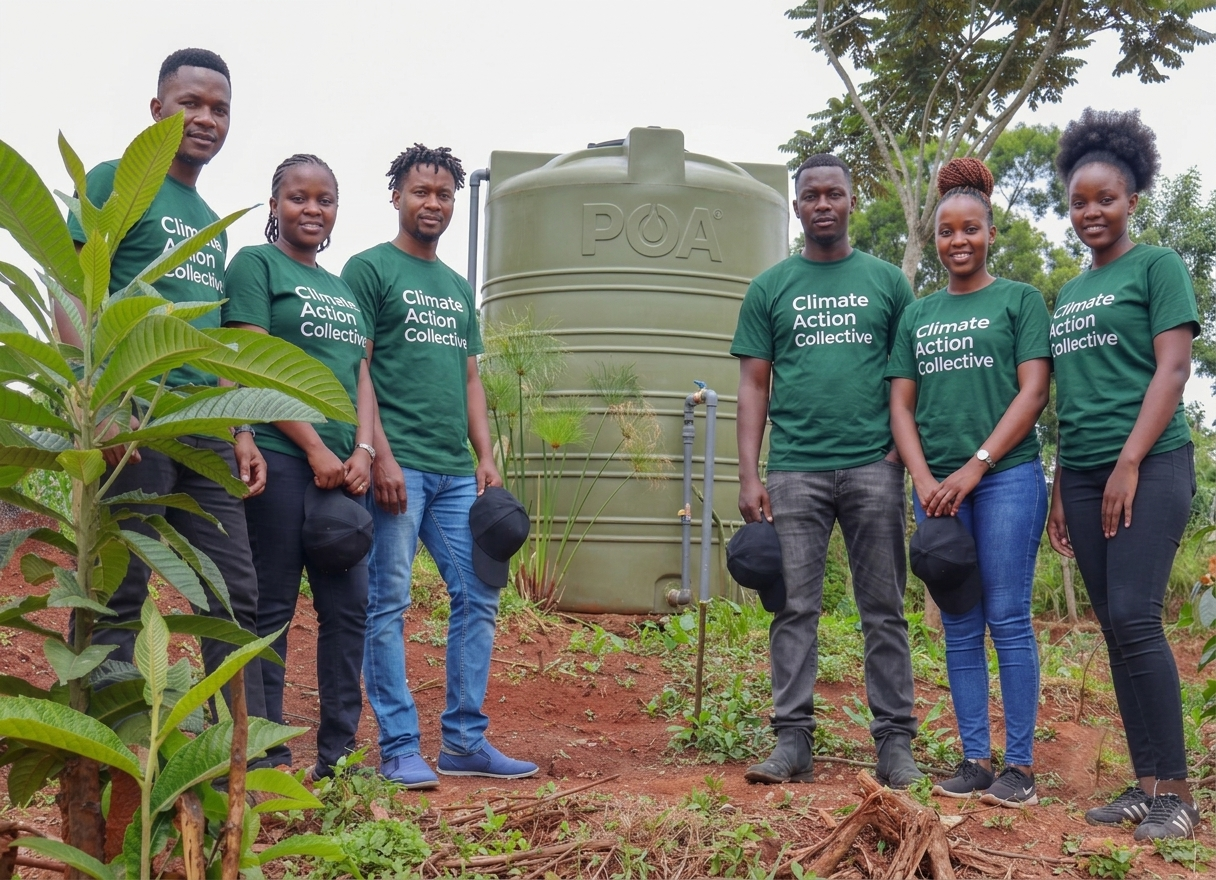
Six youth from Kibera and Dagoretti took a chance on a half acre plot along the Ngong River valley. Their plan was to grow indigenous seedlings, medicinal herbs, and pollinator friendly plants for schools, hotels, and conservation groups. Demand was not the problem. Survival was. Half their seedlings died before they could be sold.
They enrolled in our Green Enterprise Training (GET) . The sessions covered germination media and water stress management. They learned that seedlings need steady moisture but rot if overwatered. A mix of coconut coir, compost, and sand in the right ratio solved that. They also learned to price by size and species, not by guesswork. Medicinal herbs sell for more, but they take longer. That tradeoff was new to them.
After training, they applied for a loan of KES 120,000 at 9.5 percent. They bought a 3,000 litre tank, a solar pump, and gutter materials. The first pump was too weak. They sent it back and waited three weeks for a replacement.
Now their survival rate has climbed from fifty to eighty percent. The tank fills in under an hour. Cloudy days still require some manual watering, but the tank gives them a cushion they never had. Their best month so far brought in KES 35,000. They are still learning what a normal month looks like; the system has only been running five months.
Nothing goes to waste. Dry leaves and pruning scraps become mulch that holds moisture and keeps weeds down. Unsold seedlings go back into the ground along the river, restoring the very land they farm.
Loan: Group Enterprise Loan – KES 100,000 at 9.5% over 9 months
Green tech: 3,000 litre water tank + solar pump
Circular economy: Seed banking + mulch from farm waste + seedling restoration loop