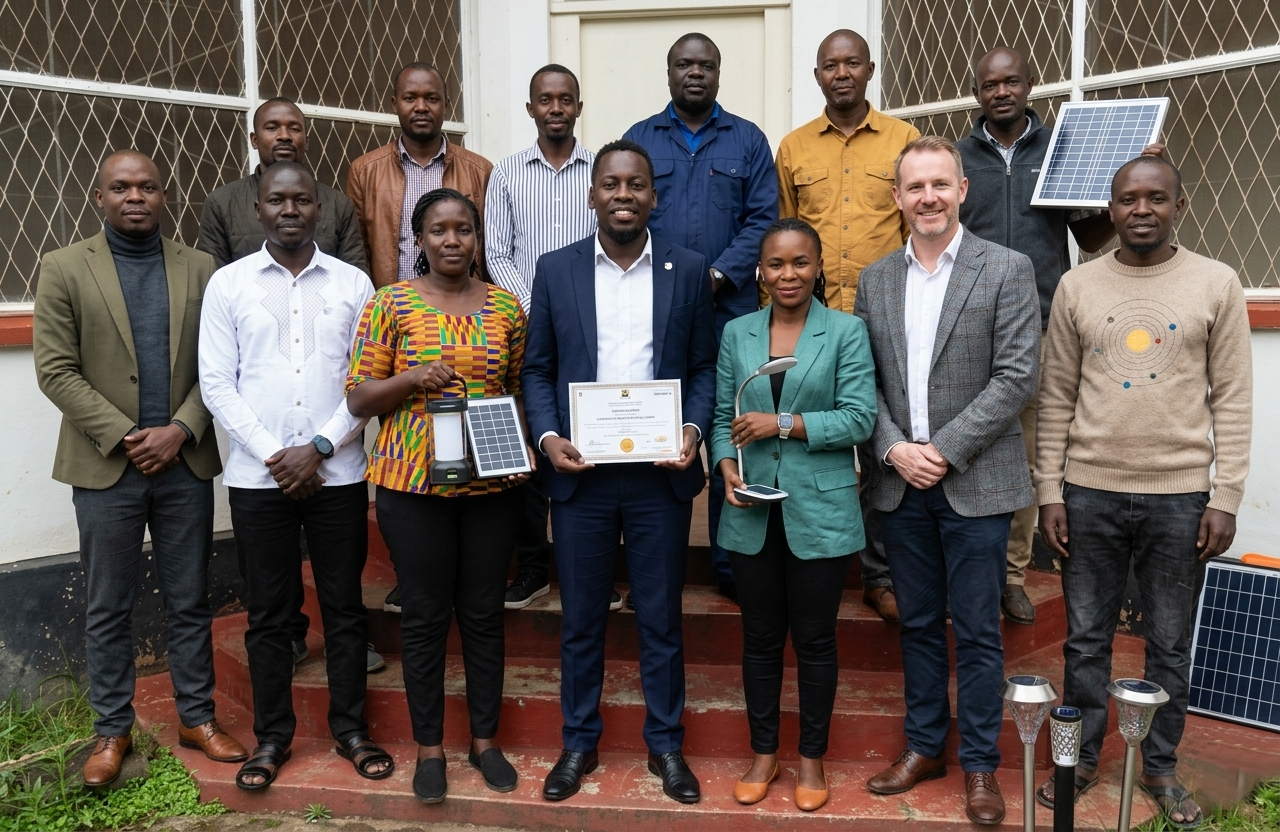
Solar Irrigation: Cutting costs and improving harvests for women farmers
We deliver practical, online training adapted to each group or business. Greener energy. Financial literacy. Climate resilience. No generic modules. After training, graduates may access green loans at 8–11% through our partner lenders.
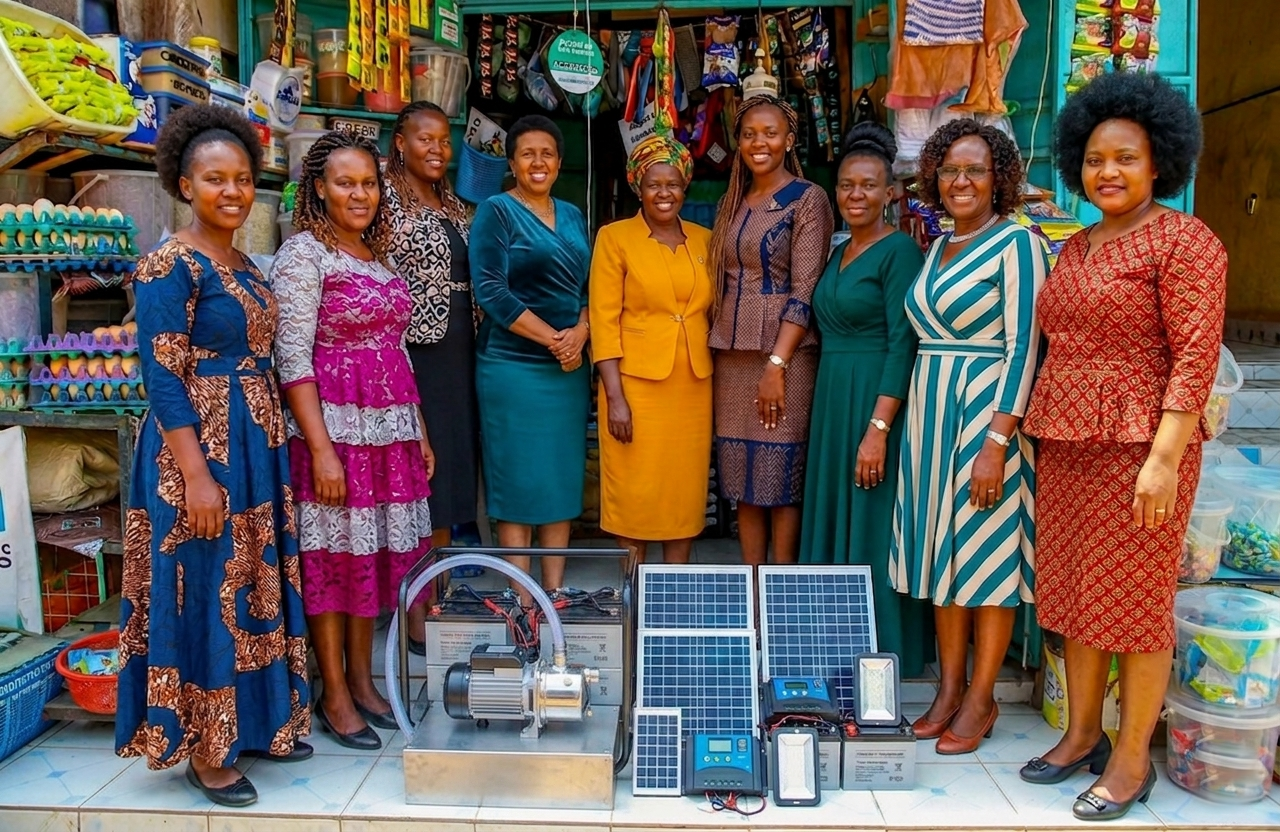
Kivaa town, Machakos County
Mama Kalondu vividly recalls the day she sat down to figure out their group expenses. KSh 1,100 every irrigation day. Hiring fee and fuel costs. Sometimes three times a week. That was more than half of what the group earned from selling their vegetables.
They decided to join our Green Enterprise Training (GET). The sessions focused on irrigation scheduling and managing tank levels. They discovered that watering early in the morning reduces water loss from evaporation compared to watering at midday. They learned to read their plants: drooping leaves in the morning signal water stress. Drooping leaves in the afternoon are just normal. They also picked up how to clean a solar pump filter, a straightforward maintenance task that prevents breakdowns. No generic content. Just keen observation and good timing.
After completing the training, they applied for a loan of KES 130,000 at 9.5 percent interest. With that, they purchased a 5,000 litre water tank and a solar pump. They kept their old petrol pump as backup for cloudy weeks. Initially, the new tank had a small leak near the base. They emptied it, sealed the crack, and waited three days for the sealant to set.
Irrigation time plummeted from four hours to forty five minutes. Their daily costs dropped from KSh 1,100 to zero for the solar pump. They still buy a little petrol for their backup during cloudy weeks, but that happens only a few times a year. While they do not have a full year of data yet, their market sales have improved because their vegetables are now more consistent in size and quality.
What they do with waste completes the cycle. Vegetable leaves and stems that used to be thrown away are now composted with kitchen scraps. The compost feeds their vegetable beds, reducing the need for synthetic fertilisers. Nothing leaves the farm except the vegetables.
Mama Kalondu has no regrets about leaving the old pump behind. "We are not coughing anymore," she says.
Training: Green Enterprise Training (GET)
Loan: Group Enterprise Loan – KES 130,000 at 9.5% over 9 months
Green tech: 5,000 litre water tank + solar pump
Circular economy: On farm composting + reduced synthetic fertiliser use